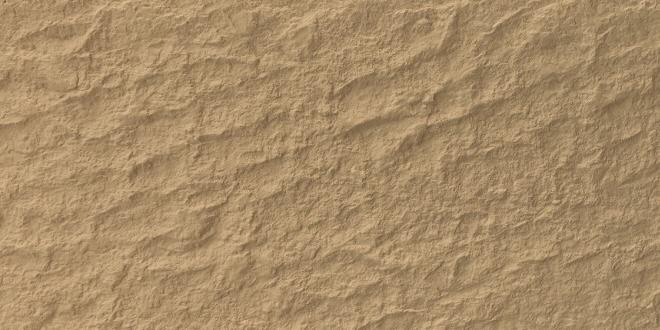
Direct Answer: What is Starmoon Stone in modern architecture? Starmoon Stone (also known as lunar stone or cratered flexible stone) is an engineered 3D architectural cladding material manufactured from modified clay materials (MCM) and natural quartz minerals. Featuring a hyper-realistic tactile cratered surface inspired by volcanic and lunar rock textures, Starmoon Stone weighs merely 3.5–4.5 kg/m² (0.7–0.9 lbs/ft²), flexes to a radius of R ≥ 200 mm for curved columns and organic walls, and achieves a Class A fire rating (ASTM E84 / AS 1530.1). Unlike heavy dimensional stone slabs requiring expensive mechanical anchoring, Starmoon Flexible Tiles bond directly to drywall, cement board, concrete, or exterior insulation with polymer-modified adhesive.
The Aesthetic Evolution: Why Specifiers Choose Starmoon Stone for Feature Walls
Modern luxury hospitality, retail flagships, and high-end residential estates increasingly demand sculptural, organic wall textures. Traditional options—such as chiseled volcanic basalt, heavy travertine slabs, or poured-in-place board-marked concrete—present severe project constraints:
- Extreme Structural Weight: Natural 30–50mm chiseled volcanic stone weighs 80–120 kg/m² (16–25 lbs/ft²), requiring costly structural floor reinforcement, foundation drop-panels, and continuous heavy steel keels.
- Inability to Curve: Rigid quarried stone cannot wrap organic curves, cylindrical lobby columns, or curved ceiling soffits without tedious, cost-prohibitive CNC facet cutting.
- Fragility & Breakage in Transit: Intricate 3D relief stone profiles suffer high transit breakage rates (often 10–15% in international shipping).
- The Starmoon Flexible Tile Advantage: Flomary Starmoon Stone delivers deep tactile crater reliefs in a flexible 3.5–6.0mm sheet. It wraps around columns with zero seam facetting, incurs virtually zero transit breakage due to its elastomeric flexibility, and installs up to 4x faster using standard thin-bed polymer adhesive.
Technical Performance Matrix: Starmoon Stone vs. Conventional 3D Wall Claddings
| Technical Parameter | Flomary Starmoon Stone Flexible Tile | Quarried Volcanic Basalt / Travertine | Glass Fiber Reinforced Concrete (GFRC) |
|---|---|---|---|
| Thickness & Profile Depth | 3.5–6.0 mm (Deep 3D tactile crater relief) | 30.0–50.0 mm | 15.0–25.0 mm |
| Area Weight | 3.5–4.5 kg/m² (0.7–0.9 lbs/ft²) | 85.0–130.0 kg/m² (Requires steel keels) | 35.0–55.0 kg/m² |
| Flexibility & Minimum Bend Radius | R ≥ 200 mm (Bends around columns without heating) | Rigid (R = ∞) | Rigid precast shapes only |
| Fire Safety Rating | Class A (ASTM E84: FSI=0, SDI=15; AS 1530.1) | Non-combustible | Class A Non-combustible |
| Embodied Carbon (A1–A3) | 14–20 kg CO₂e/m² (-80% vs natural stone) | 115–150 kg CO₂e/m² | 45–70 kg CO₂e/m² |
| Installed Cost Benchmark (US / AU) | – / m² installed | – / m² installed | – / m² installed |
Architectural Applications & Lighting Integration
1. Luxury Hospitality & Hotel Lobbies
Starmoon Stone creates monumental texture for grand reception backdrop walls, elevator lobbies, and concierge alcoves. Grazing light from recessed ceiling LED tracks (positioned 150–200mm from the wall surface at a 15–20° angle) casts dramatic architectural shadows across the cratered reliefs, highlighting natural lunar contours.
2. Curved Architectural Columns & Arched Vaults
Because Flomary Starmoon Stone is formulated with elastomeric modified clay polymer technology, full-size sheets wrap smoothly around cylindrical structural columns and curved bulkheads without fracturing. This completely eliminates the awkward faceted joints typical of segmented tile installation.
3. High-End Commercial Facades & Retail Flagships
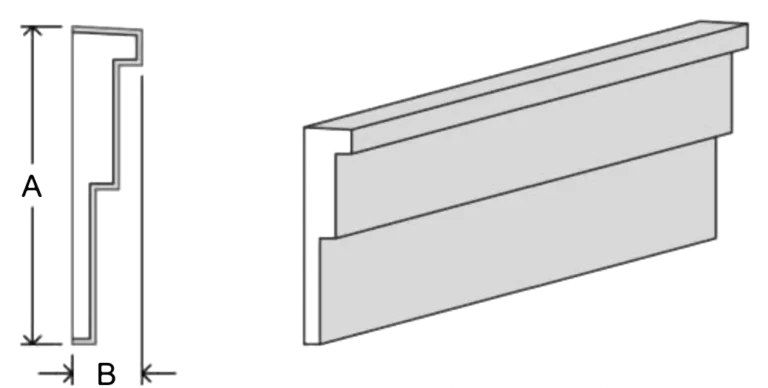
Engineered for exterior envelopes as well as luxury interiors, Starmoon Stone withstands accelerated weathering (ASTM G154 UV exposure, ASTM C67 sub-zero freeze-thaw cycles). It integrates seamlessly with our lightweight EPS Mouldings for exterior cornices and modern shadow reveals.
Installation & Substrate Engineering Guidelines
- Substrate Preparation: Suitable over cement backer board, drywall (level 3+ finish for interiors), smooth cast concrete, exterior gypsum (DensGlass), and continuous exterior insulation. The substrate must be flat (within 3mm over 2 meters), dry, and dust-free.
- Adhesive Specification: Use high-performance polymer-modified thin-set mortar meeting ANSI A118.4 / ANSI A118.15 (for North America) or C2TE S1/S2 cementitious tile adhesive (for Europe and Australia).
- Trowel & Back-Butter Method: Apply adhesive to the substrate using a 4x4mm or 6x6mm square-notched trowel. 100% back-butter the tile reverse to ensure full void-free contact.
- Joint Treatment: Install with tight butt joints (seamless aesthetic) or uniform 2–3mm expansion joints grouted with matched elastomeric or flexible tile pointing sealant.
Frequently Asked Questions About Starmoon Stone
Is Starmoon Stone made from real rock or synthetic resin?
Flomary Starmoon Stone is manufactured from modified clay materials (MCM) comprising over 85% natural refined inorganic mineral powder (quartz, clay, stone minerals) bonded with eco-friendly polymer elastomers. It contains zero harmful VOCs, zero formaldehyde, and zero toxic off-gassing.
Can Starmoon Stone be used in wet areas like shower walls and spas?
Yes. With a water absorption rate under 2% and an impervious mineral surface, Starmoon Stone performs exceptionally in luxury bathrooms, spas, and pool surrounds when installed over an approved waterproof membrane (such as Schluter Kerdi or RedGard).
How can architects and contractors order sample folders?
Architects, developers, and builders in the United States, Canada, and Australia can request curated sample folders featuring Starlight Beige, Cosmic Grey, and Eclipse Charcoal via our Export Division or explore our complete Flexible Tiles Collection.