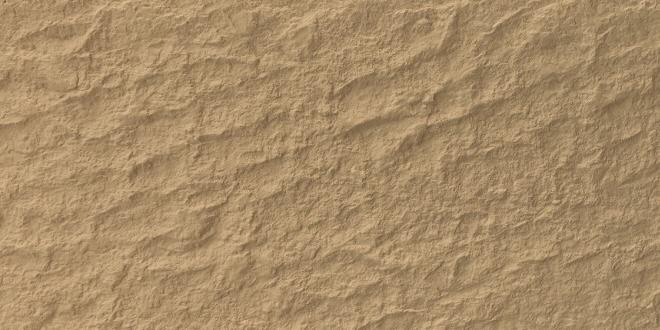
Direct Technical Answer: When evaluated against fiber cement board for exterior facades, Class A1 Flexible Tiles and Class B1 EPS Mouldings offer superior thermal insulation, 60% lighter structural weight (3.5–5.0 kg/m² vs 14–22 kg/m²), and complete freedom from edge chipping and moisture swelling under freeze-thaw cycles.
Performance Matrix: Flexible Tiles vs. Fiber Cement Board
| Specification | Standard Fiber Cement Board (10-12mm) | Flomary Flexible Tiles (2.5-4.5mm) |
|---|---|---|
| Weight per m² | 14 – 22 kg/m² | 3.5 – 5.0 kg/m² (75% lighter) |
| Fire Classification | ASTM E136 Non-Combustible | ASTM E84 Class A1 / EN 13501 A2-s1,d0 |
| Impact & Brittleness | Brittle; prone to corner fractures during handling | Ductile elasticity; zero handling breakage |
| Thermal Bridging | Requires heavy metal furring fasteners | Direct adhesion over EIFS insulation |
Architectural Advantages on Building Envelopes
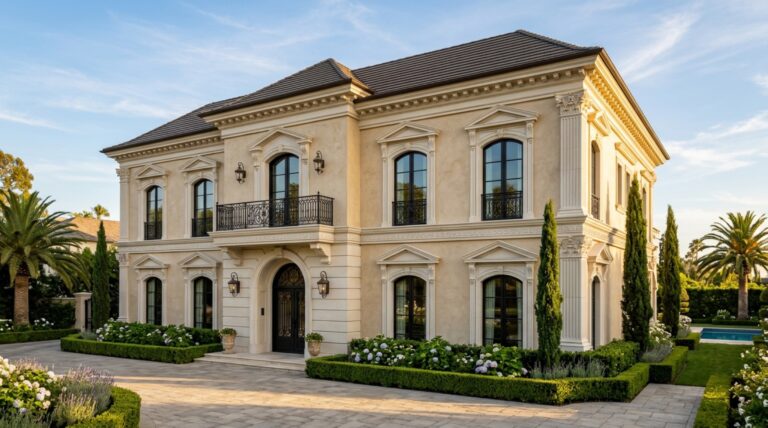
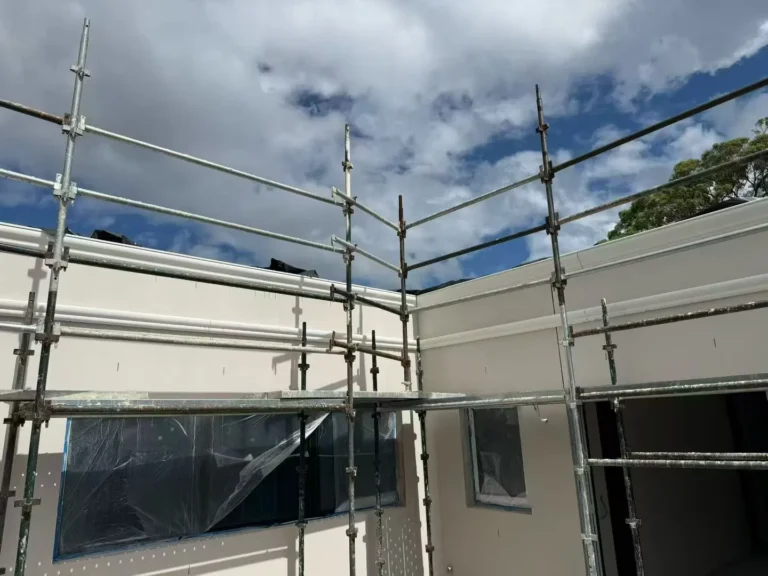
Fiber cement panels require pre-drilling, specialized diamond saw dust extractors, and complex aluminum rainscreen clips that create cold bridges. Flomary flexible tiles adhere directly with polymer mortar, drastically reducing installation labor while allowing seamless pairing with EPS exterior mouldings for complete facade articulation.
Frequently Asked Questions (FAQ)
Can flexible tiles be adhered directly over fiber cement board?
Yes. Fiber cement board serves as an ideal non-combustible substrate for flexible tiles when primed with a quartz bonding agent.